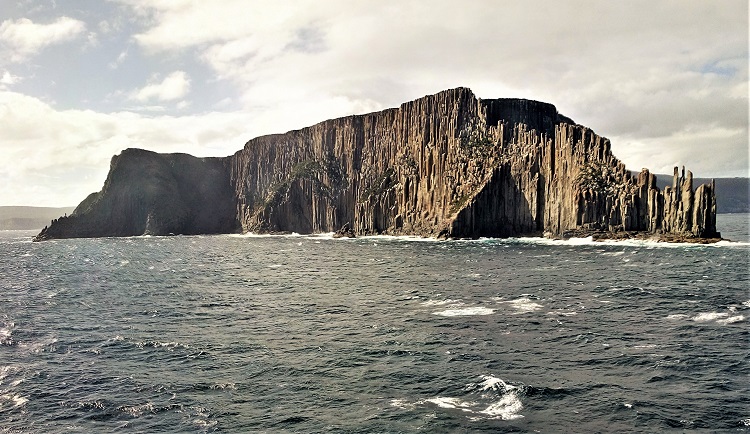
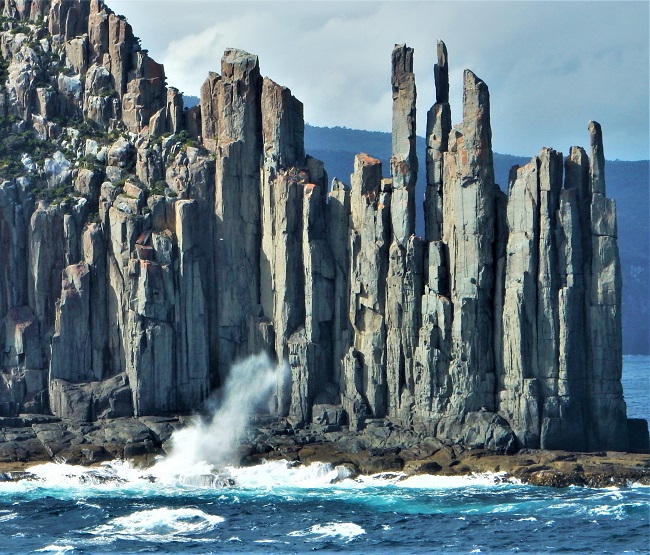
Hobart, Tasmania, Australia
We'd enjoyed ourselves in Hobart in 2018,
but this time we did something different.
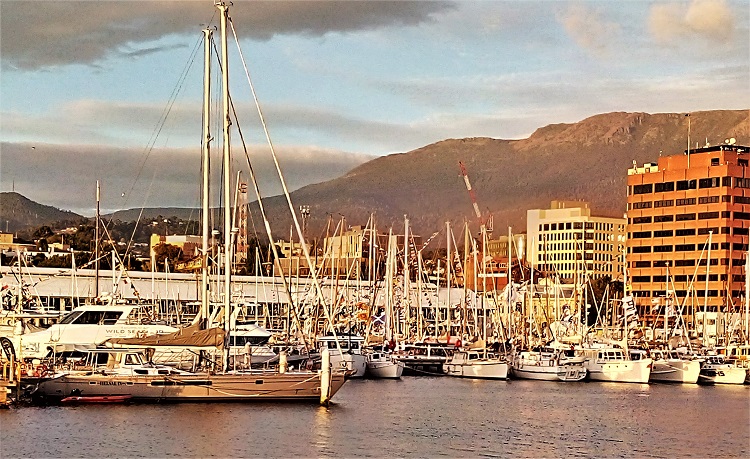
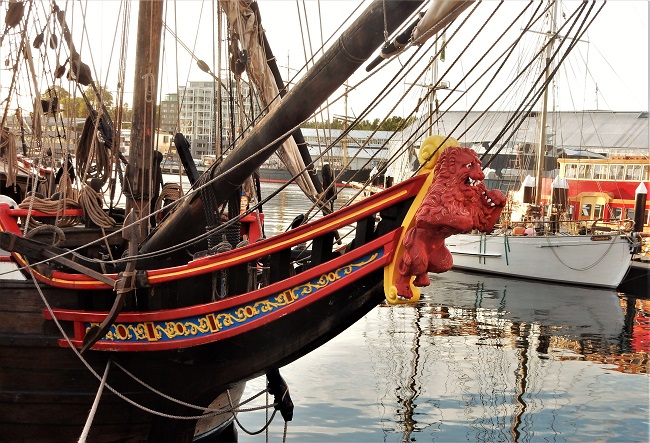
It was a holiday, which included a sailing regatta featuring wooden
boats and tall ships in town. We were off the ship before 7am
when the light was good and no people were around.

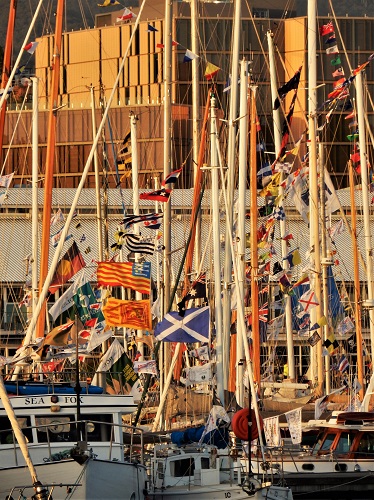 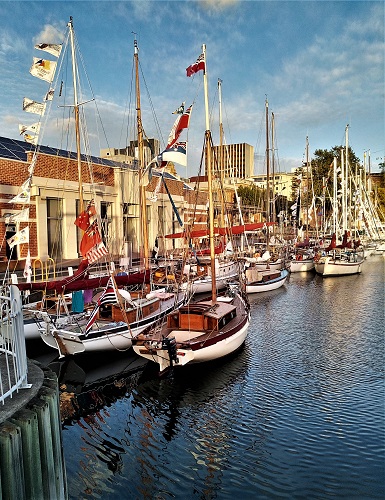
Festive!


 
 
An extra wide chimney base 0n the side of a building and a red
eucalyptus (Corymbia ficifolia), a small tree that is endemic
to the south-west of Western Australia. It was covered with pollinators.
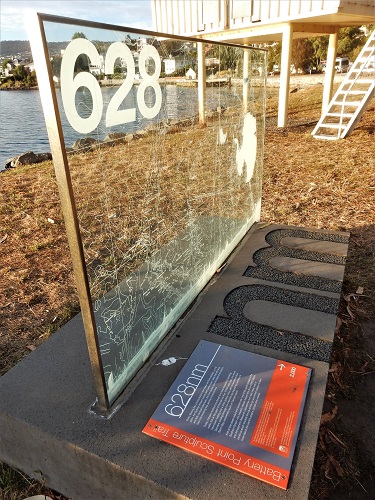 
We followed a sculpture walk on the other side of the town where
we didn't go in 2018. Each sculpture was a number, which had some
historical significance. We also took photos of other stuff along
the way, such as this carved whale tail.
628 nautical miles is the length of the traditional Sydney-Hobart
yacht race, which is held on Boxing Day (Dec. 26th) each year.

Beginning in the 1890s, there were jam factories here in Battery
Point where girls and women prepared 2,000 tonnes of jam per year
from locally-grown fruit.
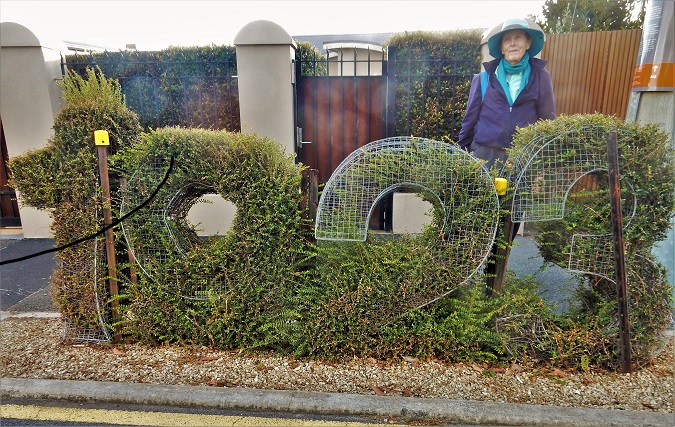
This 1923 living sculpture indicates the year in which a section
of land was divided into 26 separate lots where houses hidden
by hedges were built because the plan to make it into a preserve
had failed.

Here's an example of a house behind a hedge.
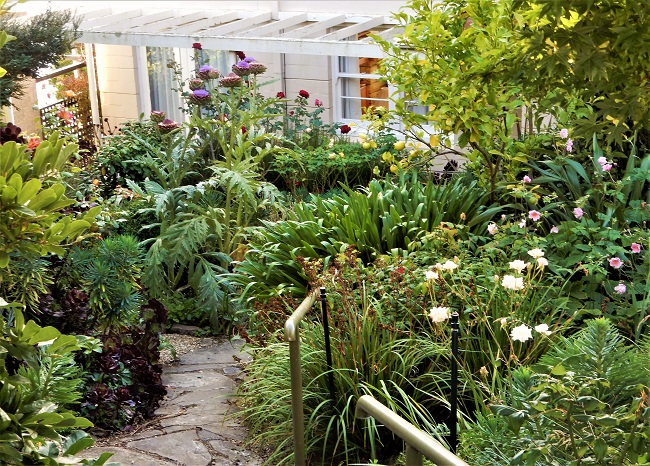
We liked this flowery front yard.
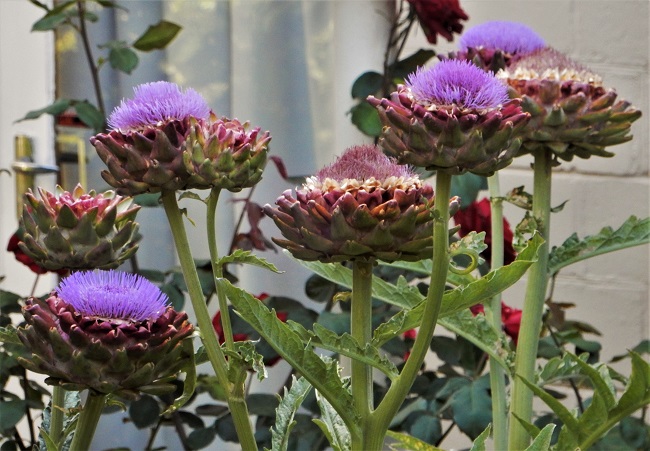
Here's a close-up of those giant purple flowers in the above yard.
They look like giant thistles or artichokes.


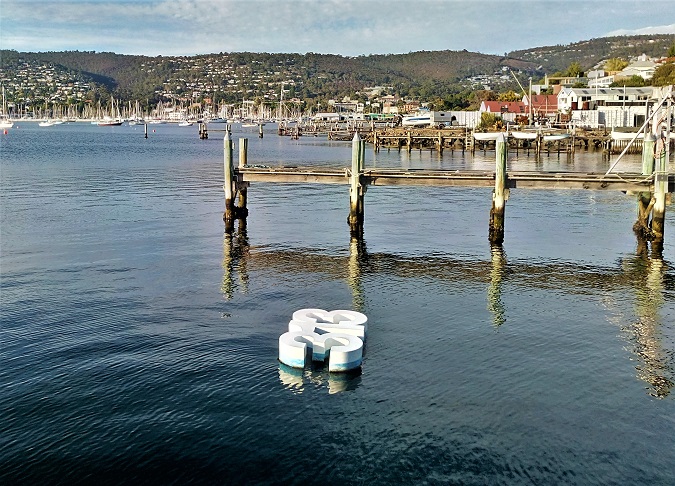
Down in the water, 313 is the number of wooden ships built at
Battery Point between 1825 and 1872. While shipbuilding continues
at this port, it's not at the same rate as those boom days and
today's vessels are more often metal or fiberglass instead of
wood.

Looking back up from the waterfront, you can see more of the houses
that have nice water views

Following the trail...
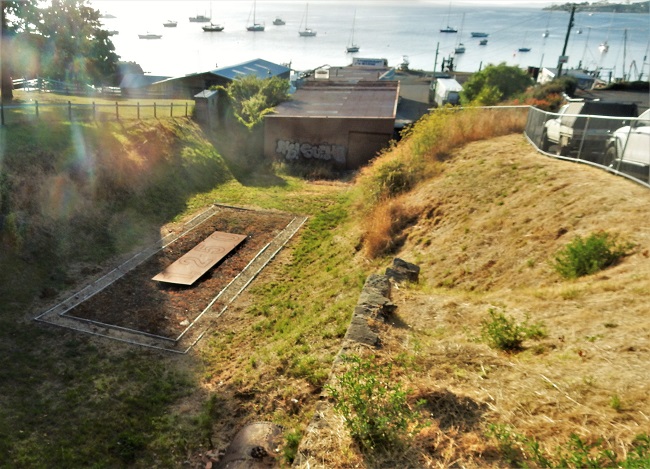
The number at the bottom of this culvert is...
 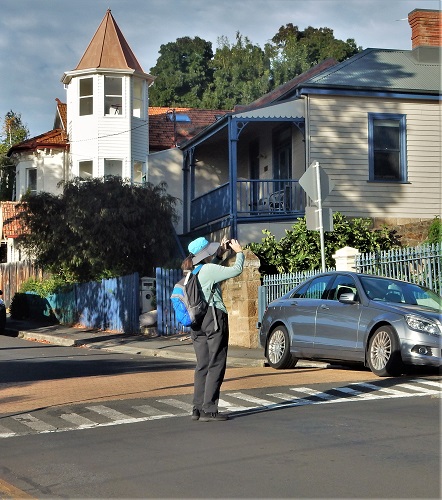
...is 1250 tonnes deadweight. This was the maximum weight of a
vessel that could be hauled into this slip with its steam-powered
winch, which was installed in 1866. Since most of the ships built
here were smaller than that, this slip was mostly used for repairs
and maintenance of other ships. Across the street...

...was this cute house. And in front of that house was...

...was this rugged adventure vehicle with an elevated air intake
so it can go through fairly deep water. We saw a fair number of
vehicles like this around Australia.
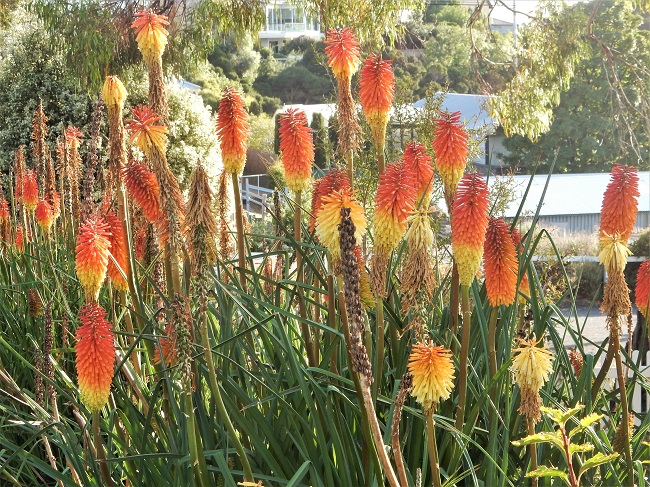
As we walked into a park looking for sculpture"24",
we were captivated by the birds in these torch lilies (Kniphofia
alcazar).

They are large honeyeaters and may be endemic in Tasmania.
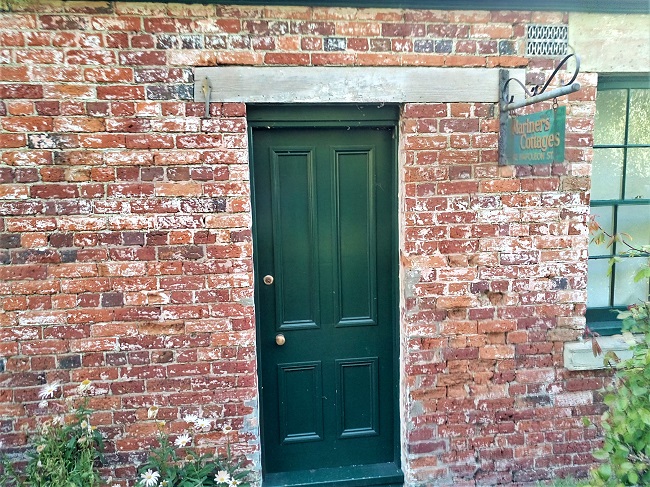
Also in this park, which overlooks the waterfront, were two brick
Mariners cottages, the oldest buildings in Battery Point.


"24" was a smokey stone with red and black streaks made
of glass, which symbolizes the fires that burned here 24 hours
a day. Fires were built by both the indigenous peoples who kept
their camp fires burning all the time and later, the settlers
from Europe had fires burning all the time to render whale blubber,
to melt ore, or for other uses.

On our way down to the last number, we saw this large juniper
archway over a driveway.

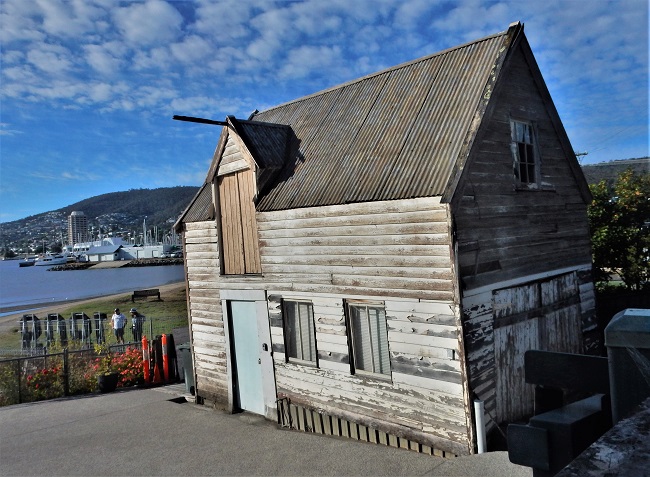
This rustic shed was near the bottom of the hill.
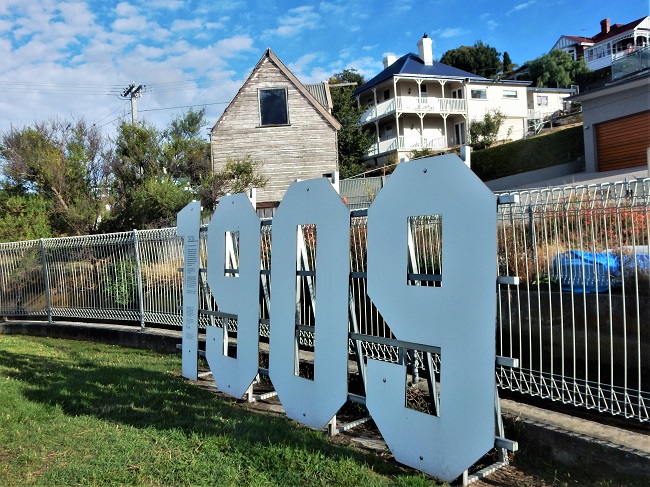
Our last number 1909 was the year Errol Flynn, the famous movie
star, was born in Hobart.
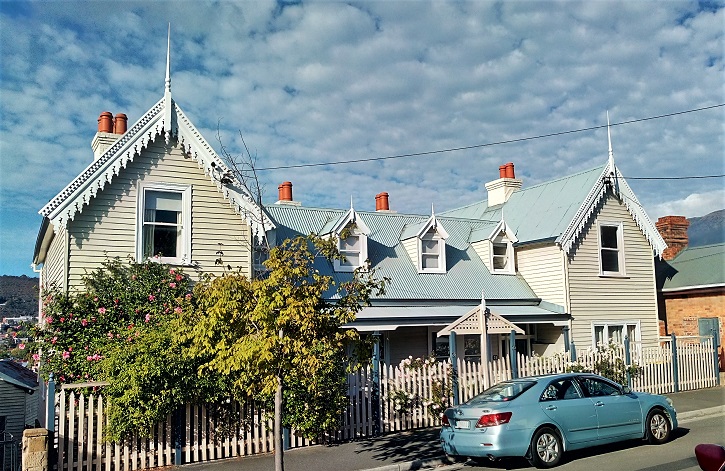
We then headed back up the hill through the neighborhood. There
were quite a few duplexes like this one.
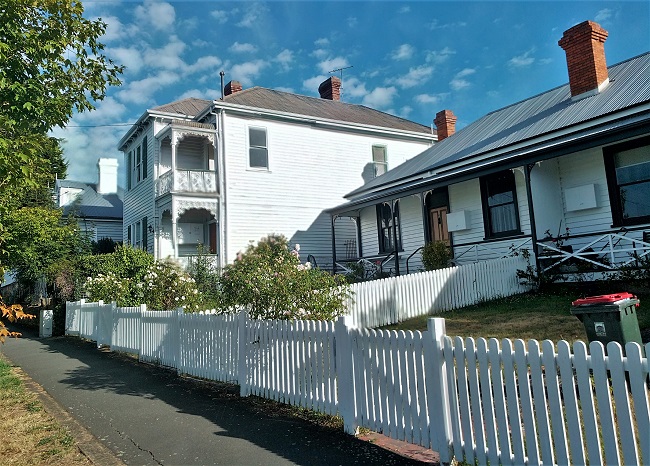
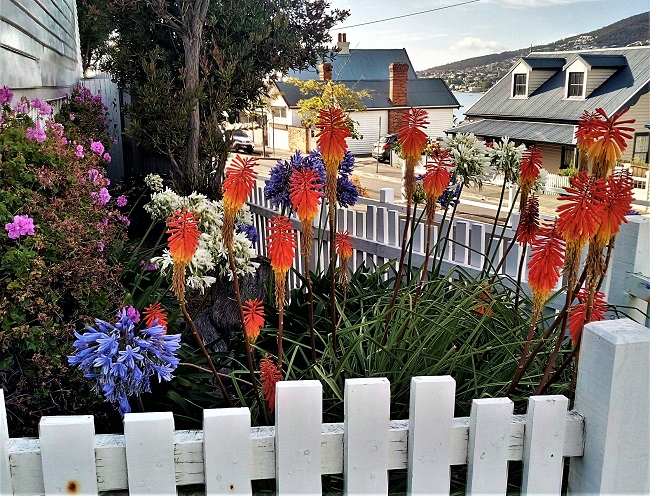
 
An Anglican church is at the top of the hill.

Some of the houses in the neighborhood reflected the church's
style.
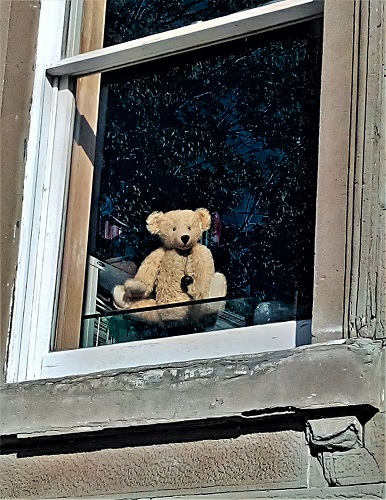

The neighborhood watch includes a bear and a replica of a Chinese
terra-cotta soldier.
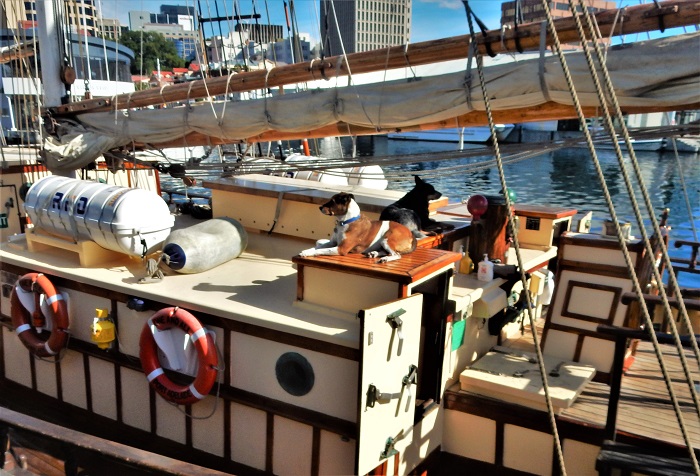
We walked quickly back through the regatta area, because it was
so crowded with people, but we did like how relaxed these two
dogs were on this schooner.
 
Walking back to the dock, we took photos of only a few items including
a church and this nature sculpture.
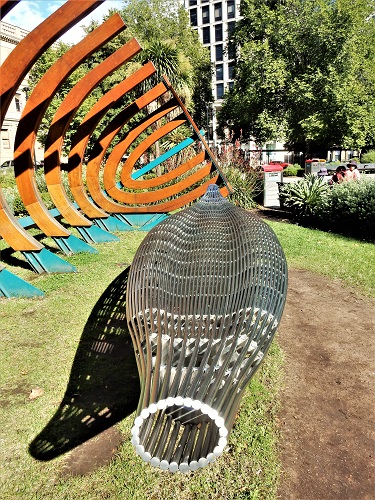 
This bench/monument in a small urban park had an electric eye
and if you walked around the bench, it played a recording that
related some of the history of boat building and more in this
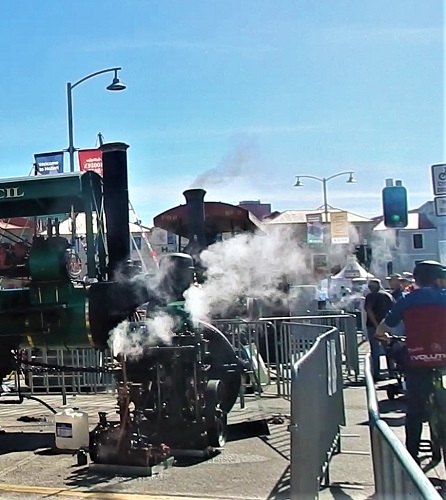
city. When we were back on the dock area on the way to the ship,
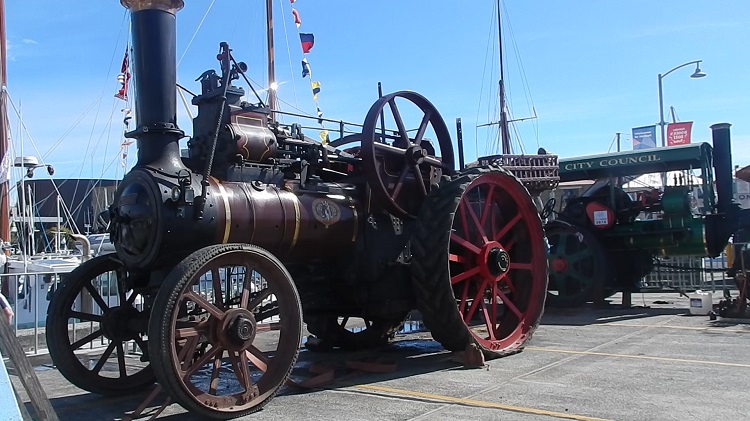
we paused to watch demonstrations of various antique steam engines.
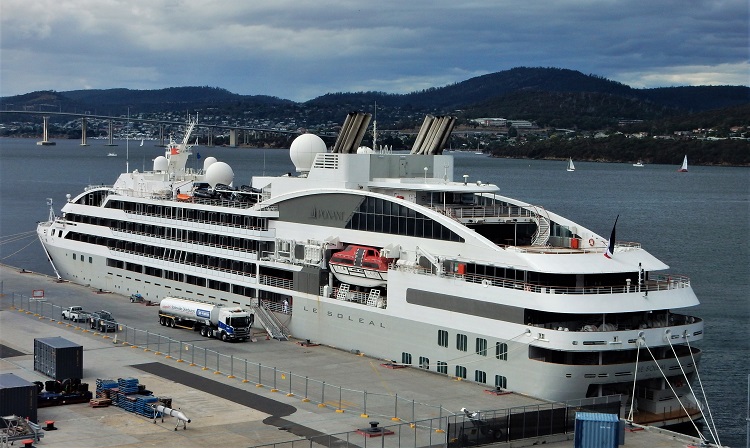
A small French-owned cruise ship, Le Soleal, which holds 264 passengers,
was docked next to us. It was 11am Monday morning when we got
back to the ship after our 6-mile hike around town, but the Super
Bowl had just started at 10:30am, so we watched most of the second
half. The sports channel that broadcasts it on the ship does not
carry the commercials, so it's a bit less interesting.
It was two sea days to Adelaide, our next Australian
port.
|