Dean & Ginny's excellent adventures...  Main Adventure Page

World cruise—2023: << Part 1  << Part 2  << Part 3  << Part 4  << Part 5  << Part 6  << Part 7 Part 8
Part 9>>  Part 10>>  Part 11>>  Part 12>>  Part 13>>  Part 14>>  Part 15>>  Part 16>>  Part 17>>  Part 18>>  Part 19>>
Part 20>>   Part 21>> Part 22>>  Part 23>>  Part 24>>  Part 25>>  Part 26>>  Part 27>>  Part 28>>  Part 29>>  Part 30>>
Part 31>>  Part 32>>  Part 33>>  Part 34>>  Part 35>>  Part 36>>  Part 37>>

Gisborne, New Zealand

This was a new port for us and it was a tender port with a fairly long tender ride of 20 minutes or so.
The locals call their town "Gizzy."


Looking back toward the tender dock from a hill we had begun to climb, it's clear that farmed timber is a huge export. Unlike the Amazon, though, this timber is sustainably grown and harvested. Each piece is cut to and exact length and has a tag on it with the assurance that it's legal.


The sheer magnitude of this harvest is amazing.

 
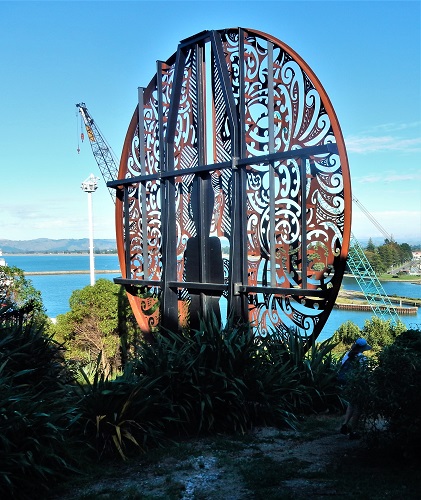
This metal sculpture on our trail faces out toward the river where the tenders come in, but we didn't notice it on our ride in.

 
Princess Diana had planted this tree here in 1983. There was a lot of wild fennel (Foeniculum vulgare) growing along the trail with its pretty yellow flowers that the pollinators really liked. The leaves and flowers look like dill, but the flavor and scent is more like anise.


At the top of the ridge: a look back at our ship.


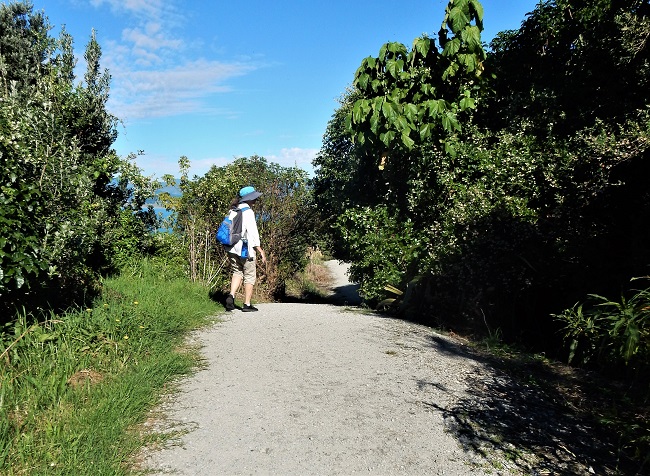
We could have walked for several more miles along this ridge toward a point or headland, but we headed back down, but via a different trail.

 
There were several patches of what looked like crinum lilies and there were some huge trees--this one was a pine.

 
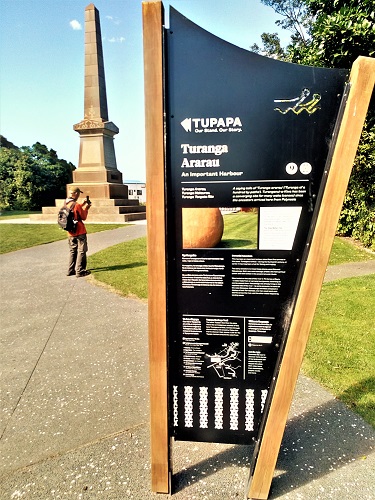
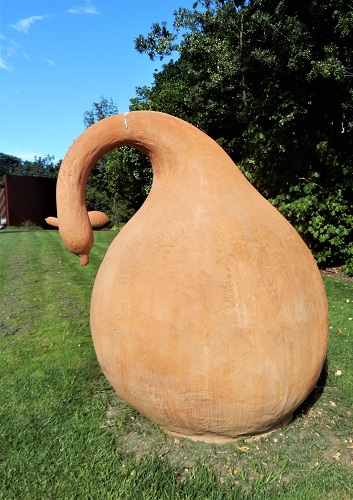
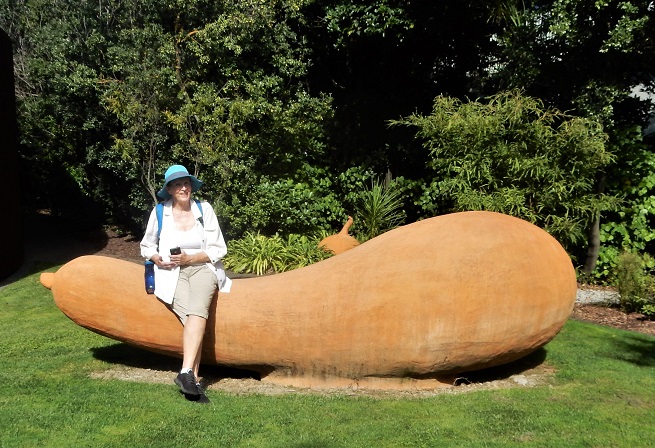
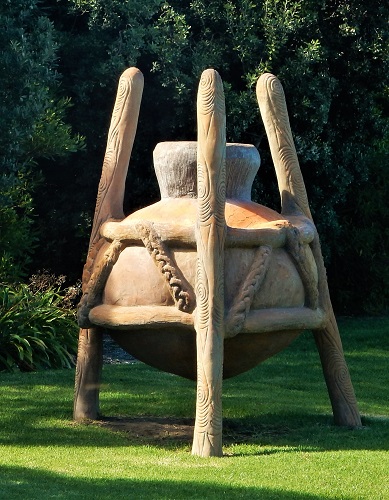
Back at the base of the hill was a garden and a memorial for this space, which was where Capt. Cook had first landed in the 1700s. Not sure about why there were giant squash sculptures there. They remind me of the highly variable Seminole pumpkin (Cucurbita moschata), which is native from Mexico to northern South America, but we've seen it growing in gardens all over the world. Butternut squash is a cultivar of this species.


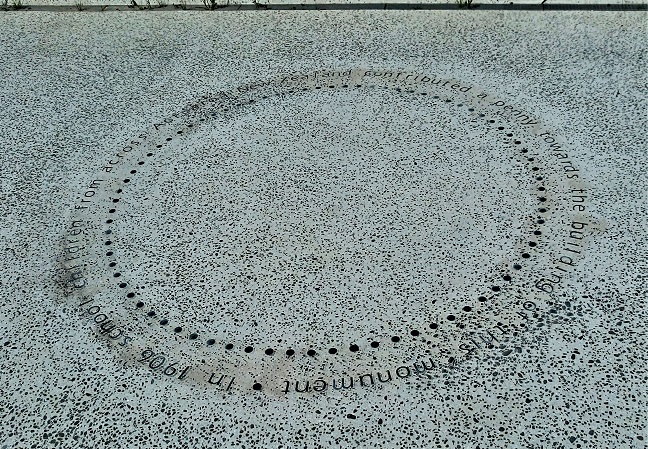
The monument for Cook was paid for by Australian children. Each kid donated a penny. We liked this circle of pennies and the explanation of the funding arrangement circling outside of the penny ring.


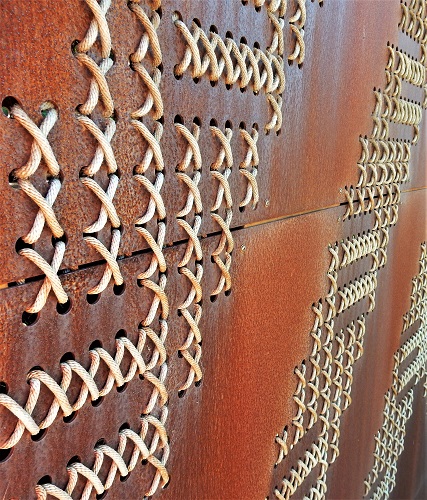
There were also large installations of aboriginal art in the area similar to the one we found on the hillside earlier.

 
A close-up of some of the handiwork looks a bit like caning only it's metal.

 
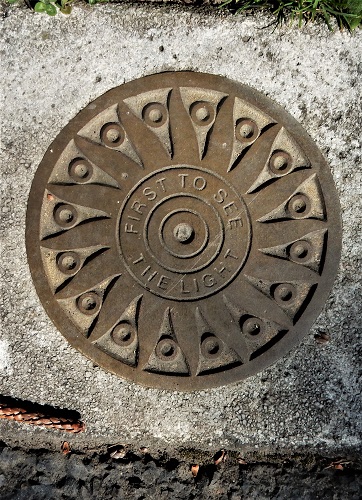
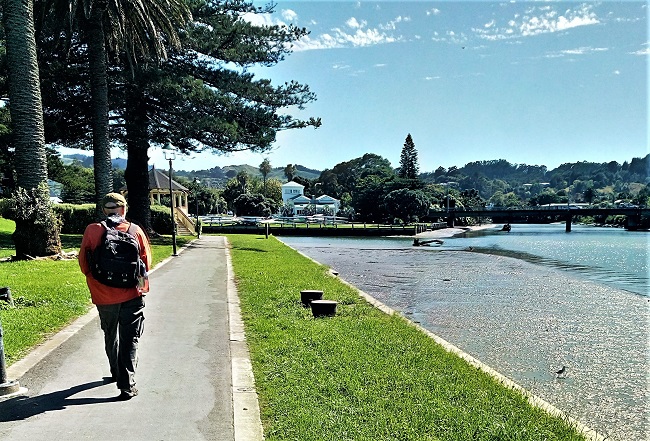
We walked along a river where there were brass markers along the walk with the saying that this community is first to see the sun for each new day. Not exactly true since Tonga is further east and on the same side of the International Dateline, but still a nice thought.

 
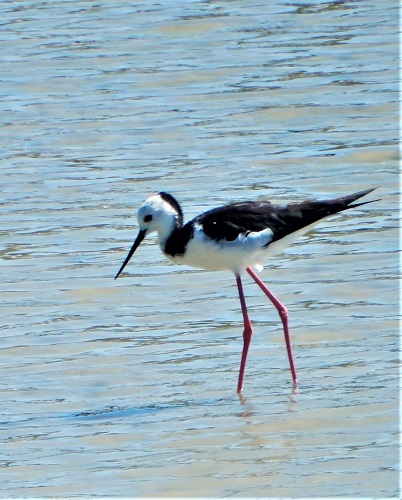
Pied Stilts or Poaka (Himantopus himantopus) were plentiful along the river. A bell tower along the river front walk. We were on our way to the botanical garden.


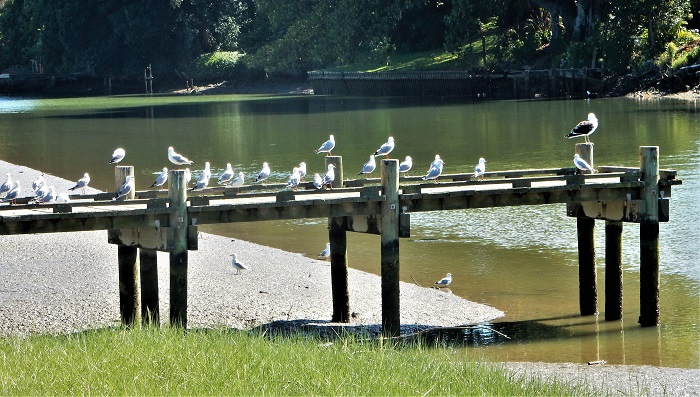
Recent heavy rains here had apparently left a bunch of driftwood on the marshy flats along the river.


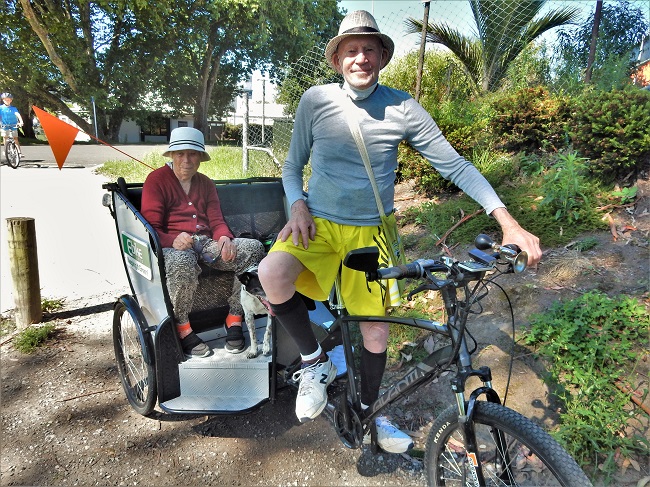
We helped this old guy by pushing his trike up to the top of a slight slope on the path when we saw his wife starting to get out so he could make it up. A pleasant conversation followed. He's an environmentalist and he and his wife were in their nineties and only use this trike for transportation.


A woman biking the other way on the path stopped to join in the conversation adding that this couple are honored citizens of the town. She verified that we were on the right track to the botanical garden and then everyone went their separate ways.


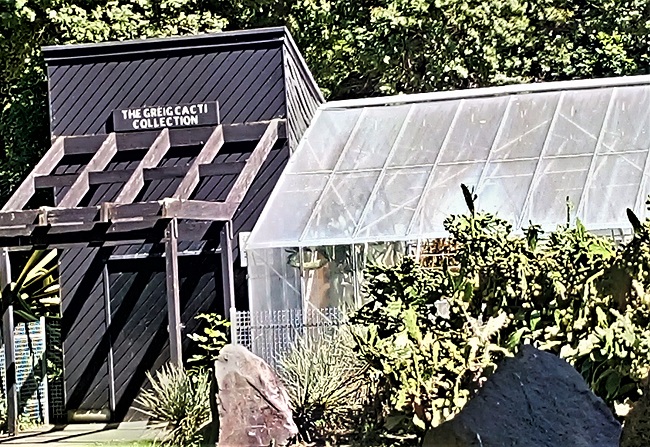
I thought it was ironic that they had a greenhouse for their cactus collection to protect it from too much rain, while in most climates there are greenhouse for tropical plants.


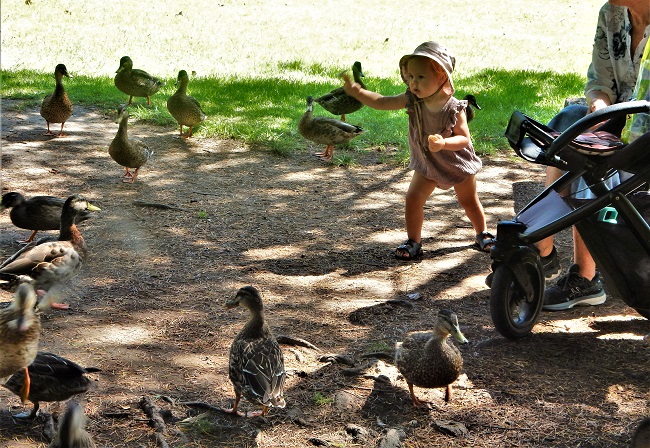
A kid earnestly feeding the ducks makes for an interesting photo.


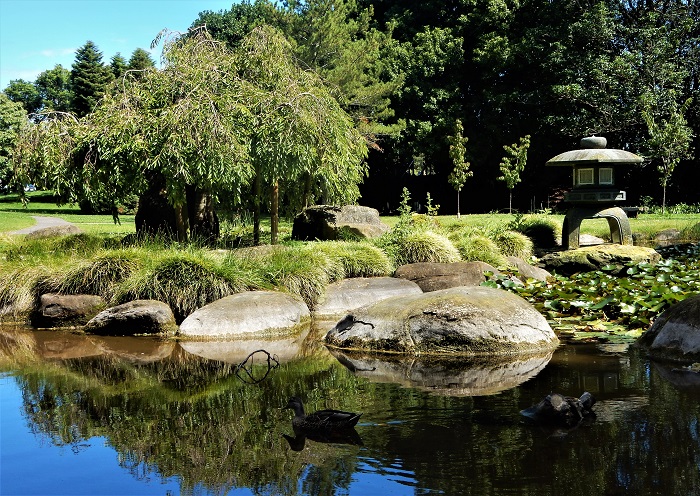
At the far end of the duck pond was a Japanese garden on an island.


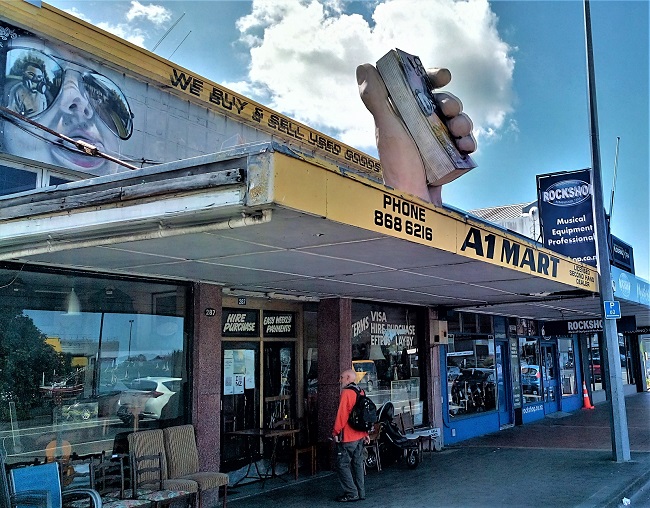
We walked back toward the tender dock through the town and thought this A1 Mart was interesting with its sculpture of a hand with money in it on its roof.


And inside was filled with all sorts of secondhand stuff.

 
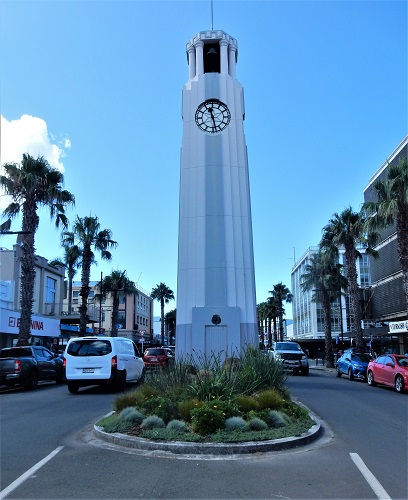
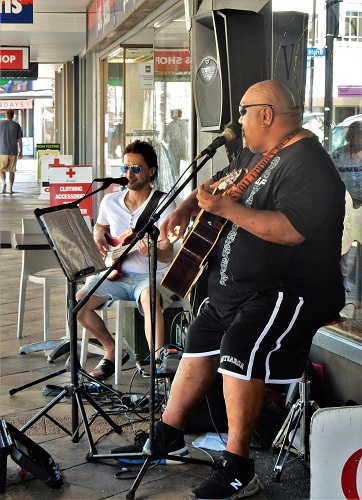
We liked the somewhat Art-Deco clock tower in the middle of the street and some of restaurants and bars had musicians working the crowd. The whole place was quite festive. We headed back to the tender after walking almost ten miles and knowing that the next day would be another hiking adventure in Wellington.

Wellington, New Zealand
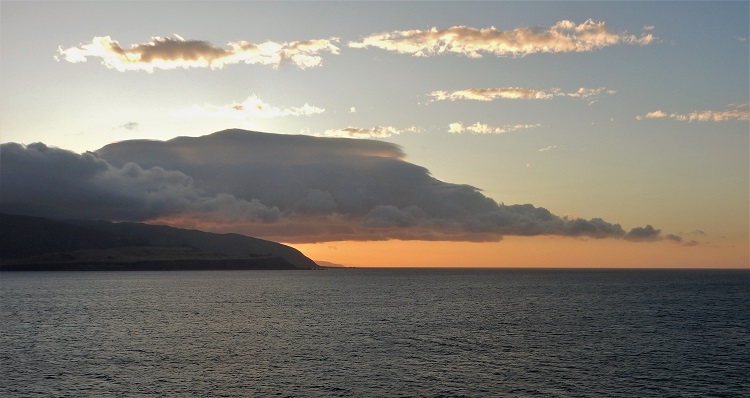

A lovely sunrise to start the day...


It was so windy that there were two tugboats pulling the ship away from the dock as it tied up and then we noticed that there were a lot more lines than normal to keep the ship aligned with the dock. It was windy all day long.
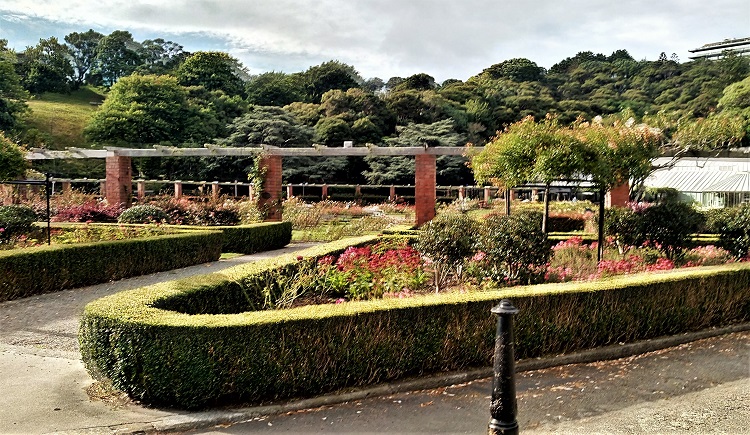

We bought a bus pass for the day thinking it would cover the cable car to the top of a hill where there was a botanic garden, but it did not, so we took a bus around the hill and entered the bottom of the gardens and walked up the hill. We started with the rose garden.


The most striking flowers in the rose garden were the purple coneflowers (Echinacea purpurea), which is native to most of eastern North America.
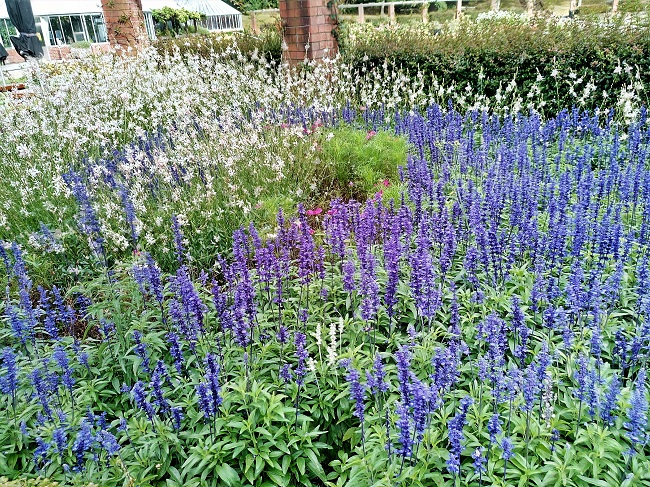

This display of blue and white salvias was next to the rose garden.
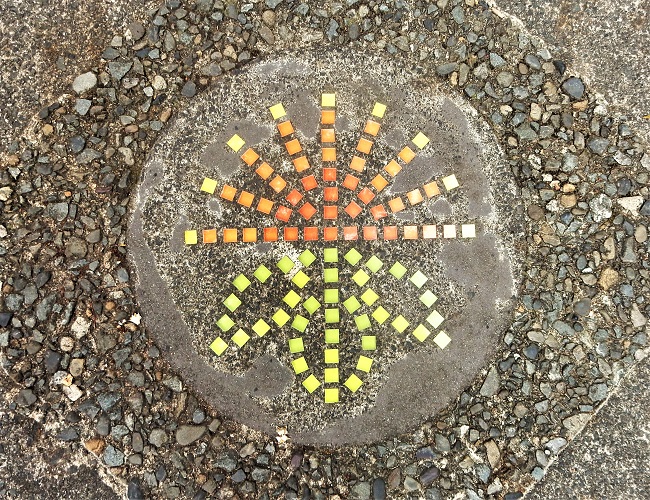

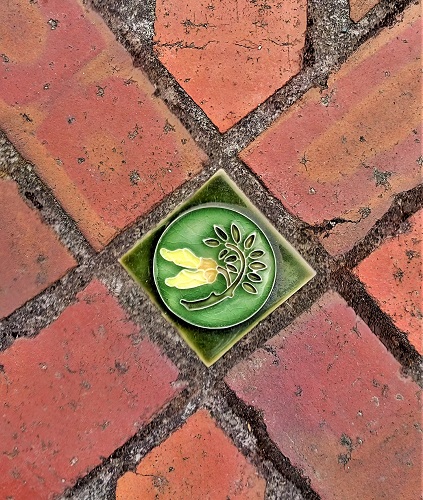
This logo was imbedded in the sidewalks. We think this is the correct orientation.
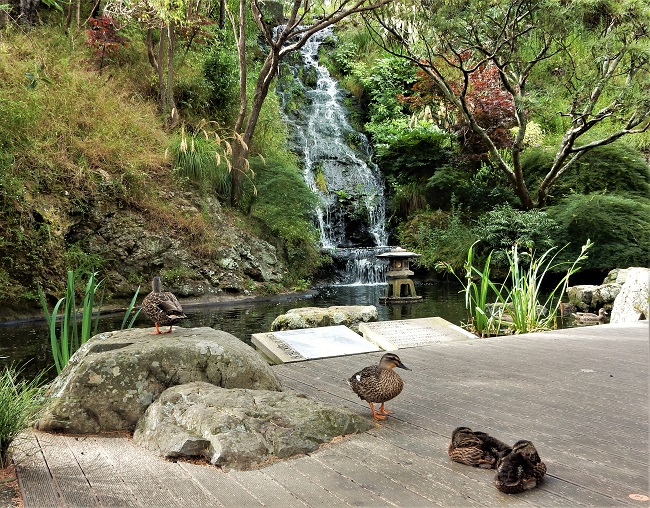

Next to the rose garden was a lovely waterfall and a duck pond.
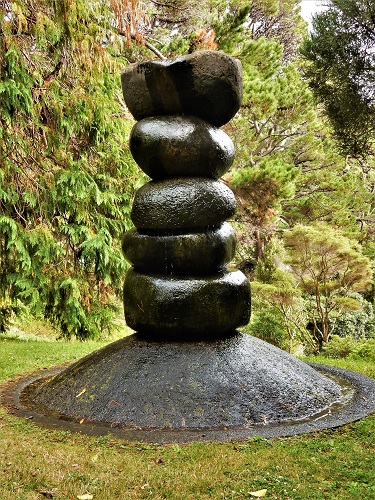
 
We began walking up the hill, but ended up taking the narrow, unpaved "bush paths" through the garden. They were delightful: shaded and mostly unpopulated.
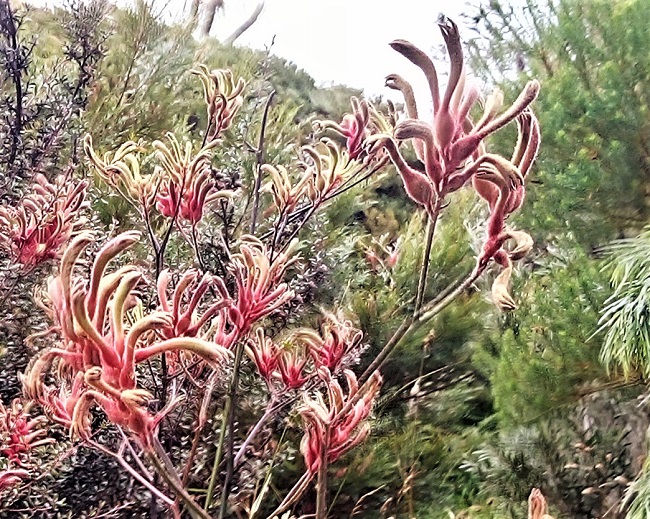

We noticed this kangaroo paw plant (Anigozanthos spp.) , which is native to Australia.
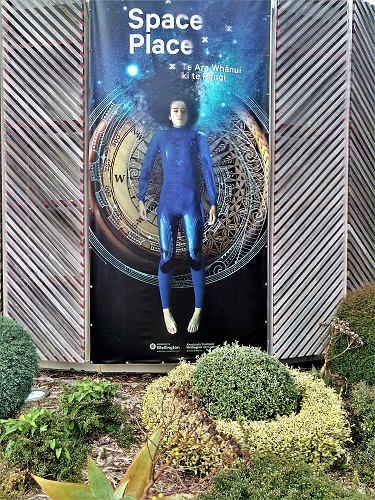
 
At the top of the hill was the "Space Place" and planetarium. It was closed on this day.
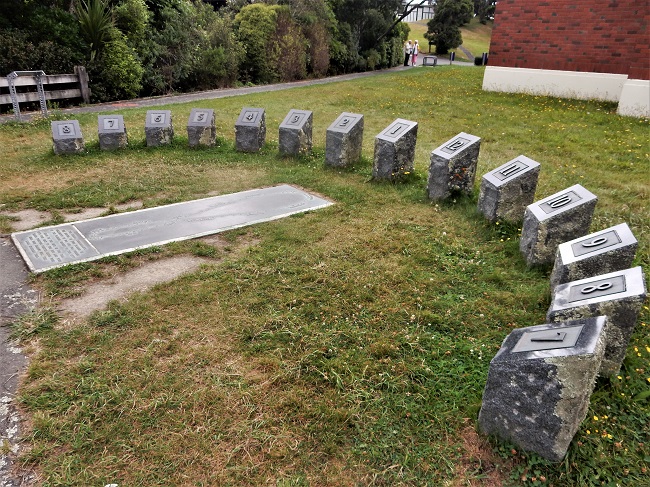

A sundial where they change the brass plaques twice a year to accommodate daylight savings time.
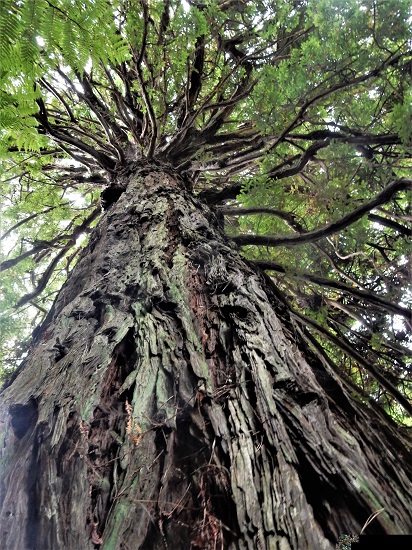
 
Some of the trees are huge in this very old garden. This one was a pine.
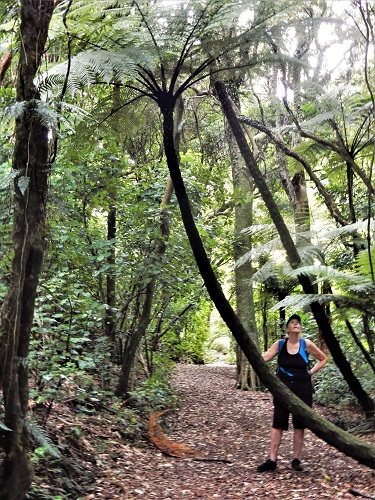
 
The tree ferns were large as well. We had a lovely conversation with this knowledgeable couple about the Tui birds (Prosthemadera novaeseelandiae) that we could hear, but could not see very well. Their calls are beautiful and varied from clear, melodic chirps to squawks. Click this link to learn more and to see photos, because while we tried, we could not find one out on an open branch. Interestingly, there is a British travel company, which owns some cruise ships called Tui as well.
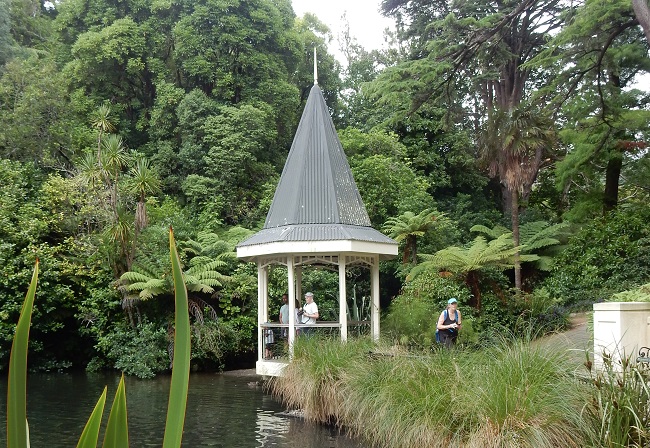

After the gardens, we took another bus and then walked through some nice neighborhoods to get to a trail into a huge, mountainous nature preserve.
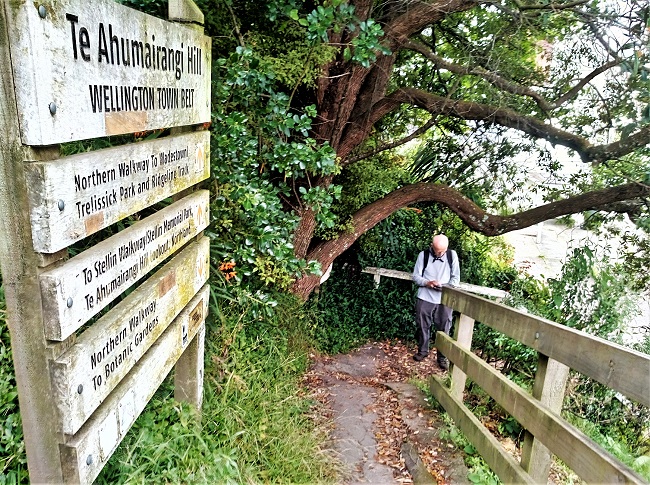

The trail head.
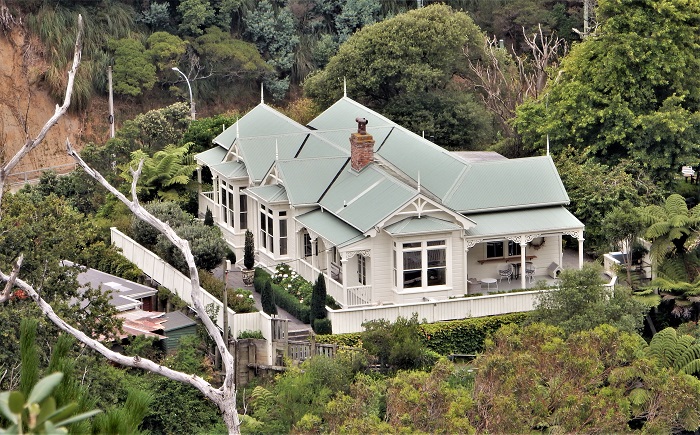

As we climbed up the trail, there were some overlooks back to botanic gardens and the surrounding neighborhood,
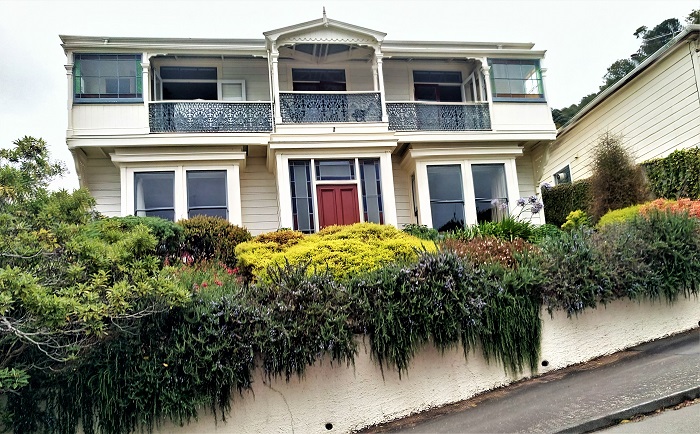
including this lovely house.
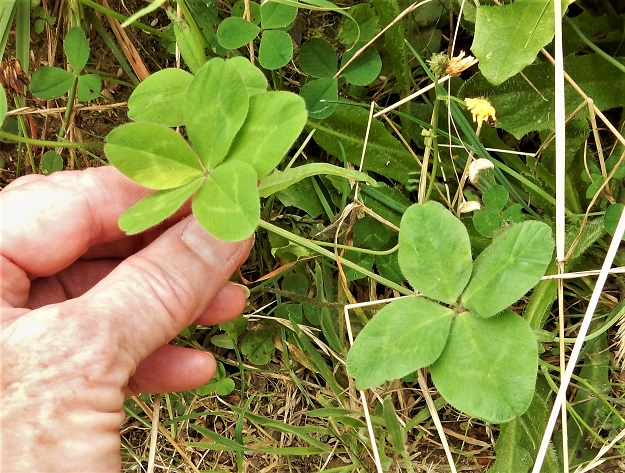

It must have been our lucky day: both a four-leafed and a five leafed clovers.
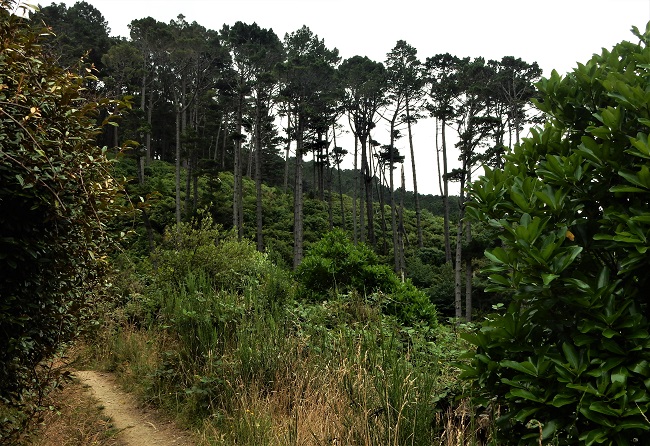

Our trail was fairly steep in places as we climbed up to this very pleasant ridge trail.
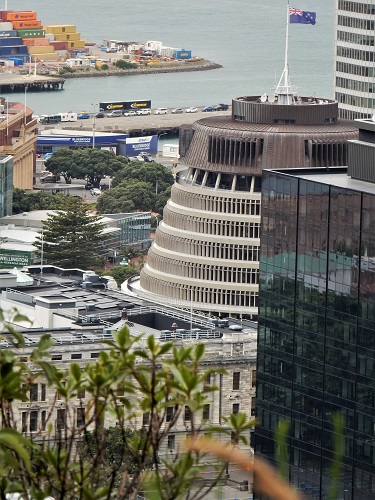
 
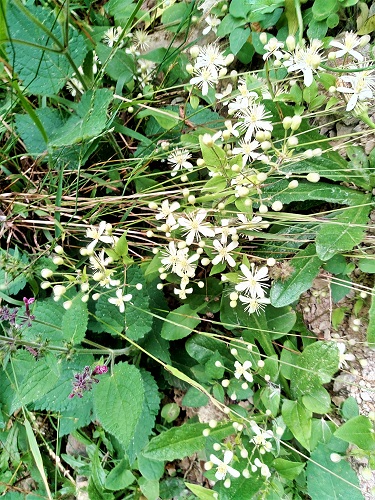
We enjoyed the scenery, both up close such as this flowering clematis and down to the neighborhoods. The beehive is the central parliament building and the thought on the design was that so much would be happening there that people who worked there would be busy as bees.
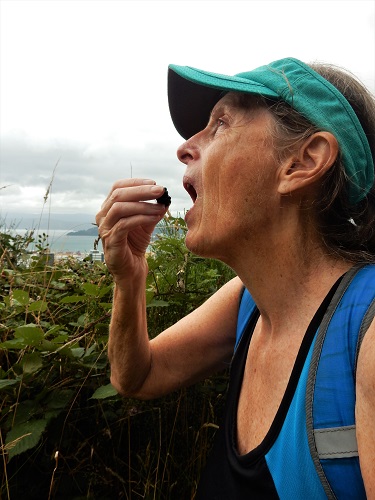
 
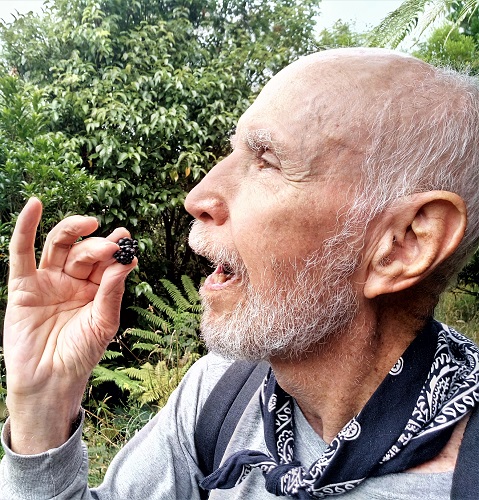
Yummy blackberries on the trail. Since we were not allowed to bring food off the ship, this was a welcome snack.
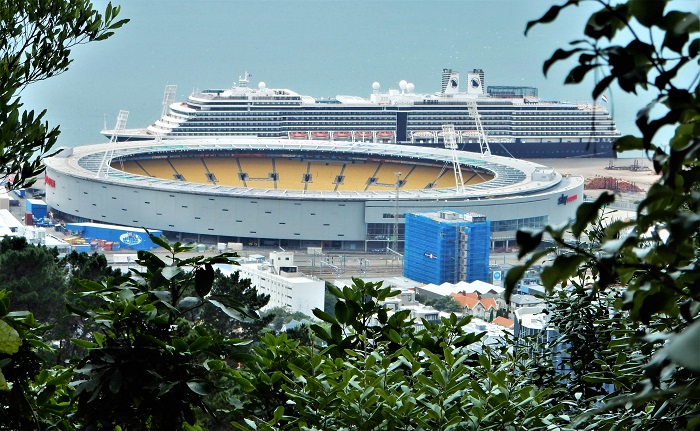

As we climbed higher on the ridge we had a good view of our ship and the stadium next to our dock. This is the home stadium of the New Zealand All Blacks Rugby Team.
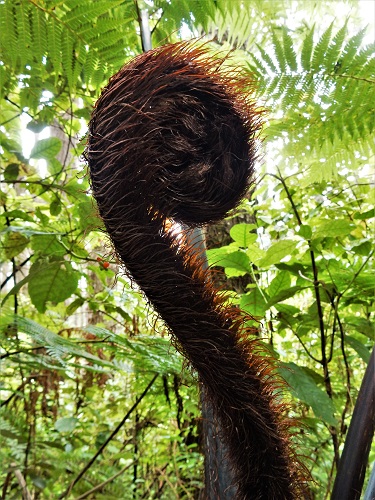
 
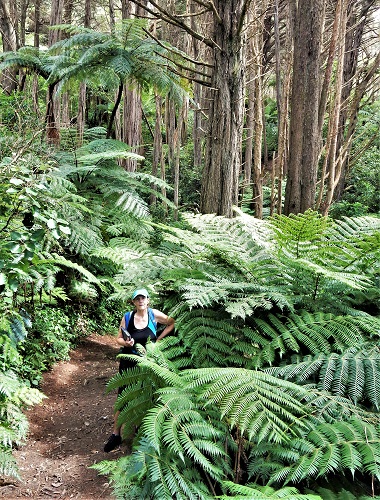
Tree ferns are common in New Zealand and this one was probably the rough tree fern (Dicksonia squarrosa), which is also known as slender tree fern, New Zealand tree fern, and wheki.
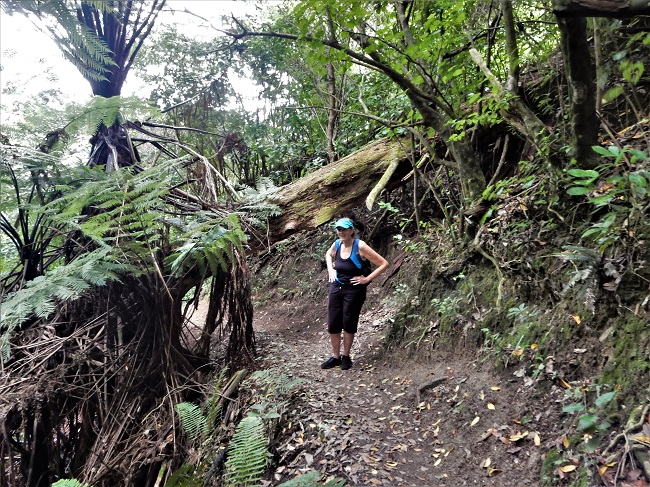

Because there had been rough weather there that summer before our arrival, there were quite a few tree falls.


Looking back up the ridge after we'd made our way back into town.
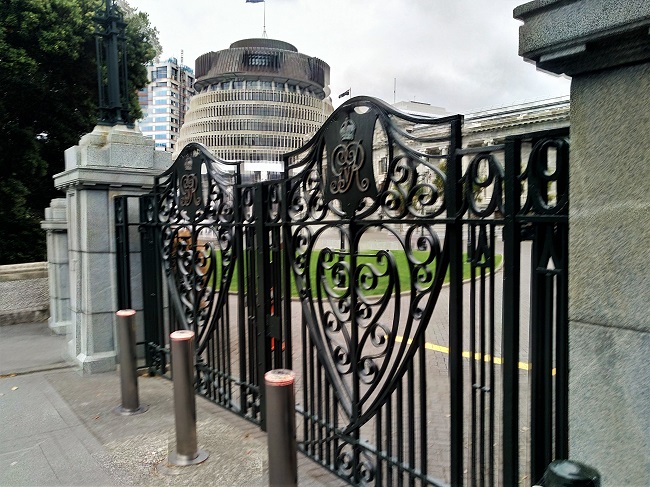

The fancy gateway to the capitol building complex, which included the beehive.
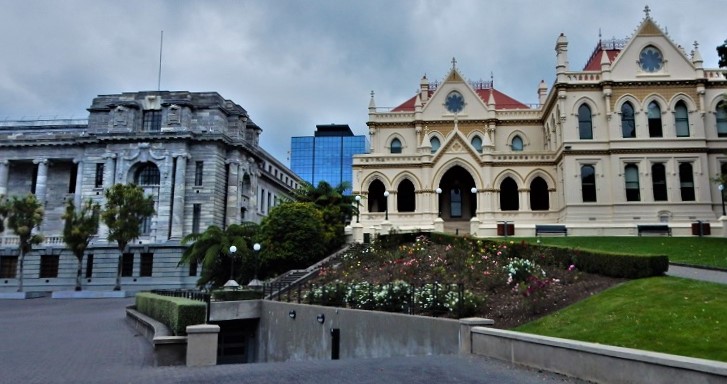

Some of the other government buildings.
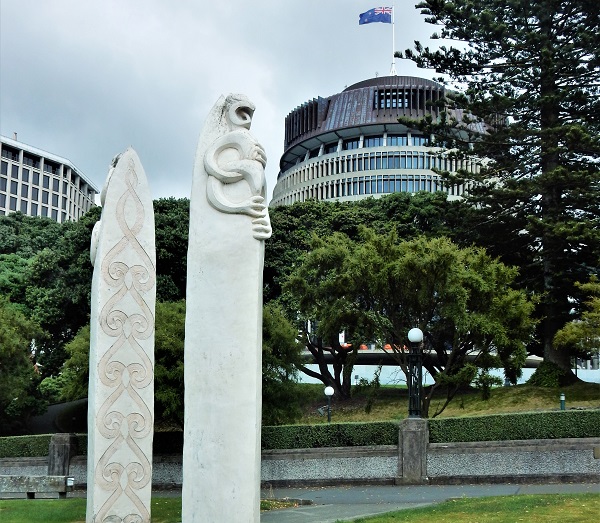

The contrast of government buildings and Maori totems was interesting.

We'd covered a lot of ground in our four New Zealand ports in four days in a row: more than 38 miles and seven hills or mountains climbed. Phew! Good that we had three sea days to recover before we arrived in Sydney, Australia.

On to Sydney... >>

Main Adventure Page

Top of page:

© Sky-Bolt Enterprises 2001-2023